Emergency Roof Repair in Bend, OR
Emergency roof repair in Bend, OR is often required when sudden leaks, storm damage, or structural failures threaten the safety of the home. With rapid weather changes, high winds, and winter snow cycles common in Central Oregon, roofing problems can escalate quickly if not addressed immediately. Steed Roofing provides emergency roof repair services focused on stabilizing the affected area, preventing further damage, and restoring the roofing system once conditions allow for full repair. Instead of temporary patching that fails during the next storm, emergency service prioritizes secure protection until permanent solutions can be completed.
Immediate Response to Urgent Roofing Issues
Emergency roof repair situations typically occur without warning and require fast action to prevent interior damage. Steed Roofing responds to urgent issues that compromise the roofing system’s ability to shed water or withstand ongoing weather exposure.
Sudden Active Leaks During Rain or Snowmelt
Leaks that appear during heavy rain or rapid melting can enter the home through ceiling joints, light fixtures, or wall surfaces. Emergency repair focuses on stopping water intrusion as quickly as possible to protect interior finishes and prevent moisture saturation.
Storm Damage from High Wind or Impact
Wind events in Bend can dislodge shingles, lift flashing, or expose underlayment. Falling branches or debris may create punctures that allow immediate water entry. Steed Roofing stabilizes exposed areas and evaluates the surrounding structure for hidden damage.
Structural Concerns Caused by Heavy Snow Loads
Extended snowfall can stress roofing systems, particularly on aging homes. When structural strain or visible sagging occurs, emergency repair may involve snow removal and temporary reinforcement to prevent further compromise.
Emergency Leak Control and Temporary Protection
The first step in emergency roof repair is preventing additional water intrusion. Steed Roofing applies temporary solutions that protect the home until permanent repair can be safely completed, especially during active weather conditions.
Temporary Sealing to Stop Active Water Entry
When roofing materials are damaged but weather prevents immediate replacement, temporary sealing helps limit moisture exposure. This approach is designed only to stabilize the area rather than serve as a long-term repair method.
Roof Tarping for Exposed Roof Sections
Tarping may be necessary when large sections of roofing have been displaced or punctured. Steed Roofing installs secured coverings that remain stable during wind or snowfall until conditions allow material replacement.
Containment Support for Interior Areas
In cases where water has already entered the home, emergency response may include directing intrusion away from vulnerable surfaces to reduce secondary damage while the roof is stabilized.
Common Causes of Emergency Roof Repair in Bend
While emergency roofing needs can occur at any time, certain conditions in Bend increase the likelihood of sudden failure. Steed Roofing identifies the source of the emergency to determine whether it resulted from external forces or long-term system vulnerability.
Ice Dams and Freeze–Thaw Pressure
Ice dams can force water beneath shingles even when the roof surface appears intact. When interior leaks develop during freezing conditions, emergency service focuses on relieving pressure and preventing further intrusion.
Flashing Separation and Material Shifting
Rapid temperature swings may cause flashing to loosen or sealants to separate around chimneys, skylights, or vents. These failures often result in sudden leaks during the first major storm of the season.
Aging Roofing Systems Under Stress
Older roofs may fail unexpectedly when weakened materials are exposed to snow load or high wind. Emergency repair addresses immediate failure while determining whether full repair or replacement will be required.
Assessment and Follow-Up After Emergency Repair
Emergency roof repair stabilizes the situation, but permanent repair must follow to restore full roofing performance. Steed Roofing provides inspection and planning once immediate risks have been addressed.
Post-Event Roofing Evaluation
After weather conditions allow, Steed Roofing performs a full inspection to assess the extent of damage beyond the emergency area. This evaluation identifies structural changes, hidden water exposure, and additional vulnerabilities.
Determining Permanent Repair Requirements
Some emergency situations require isolated repair, such as replacing missing shingles or reattaching flashing. Others may reveal underlying deterioration that makes replacement a more reliable solution.
Preventing Recurrence Through Long-Term Planning
Steed Roofing outlines corrective actions based on the roofing system’s condition, including ventilation improvement, drainage adjustments, or maintenance scheduling to reduce the risk of future emergencies.
Emergency Roof Repair for All Residential Roofing Systems
Different roofing materials react differently under stress, and emergency repair must be tailored to the structure rather than using a single approach. Steed Roofing provides emergency service for a range of residential roofing types.
Asphalt Shingle Emergency Stabilization
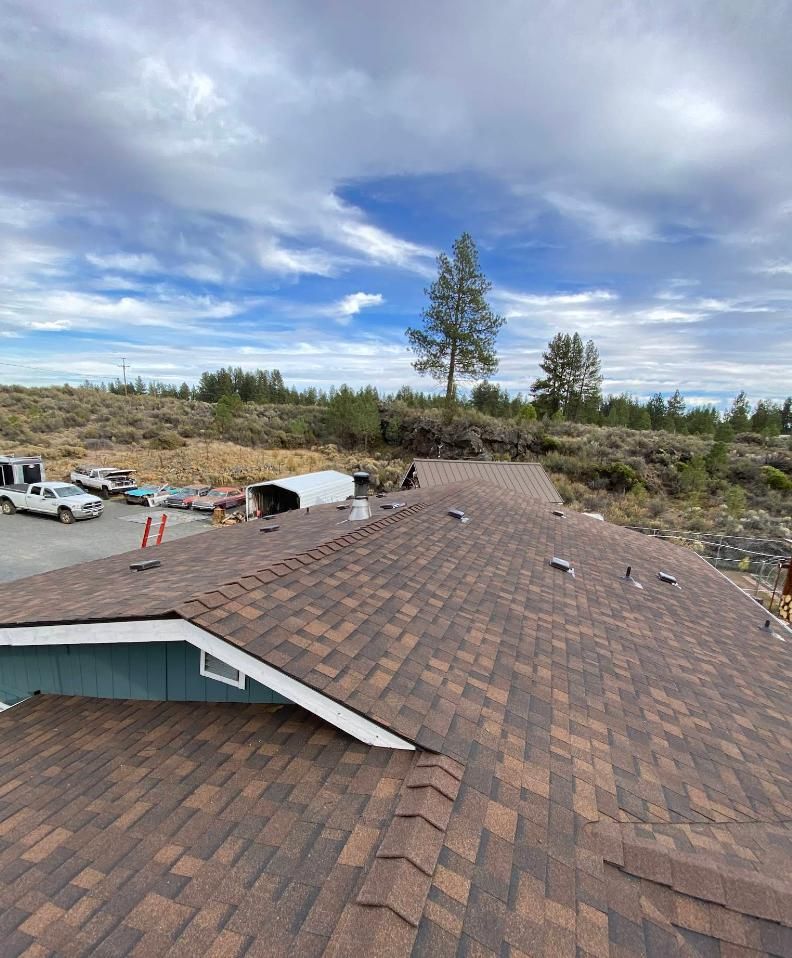
Shingle displacement, torn tabs, and exposed underlayment require immediate attention to prevent water penetration. Temporary and permanent repair methods are matched to the existing system and slope.
Metal Roofing Emergency Repair Support
Metal panels may shift, lift, or separate at seams during high wind or thermal expansion. Emergency service focuses on securing movement points without restricting necessary panel flexibility.
Low-Slope Emergency Repair Solutions
Low-slope surfaces are particularly vulnerable to pooling, punctures, and membrane failure. Emergency repair restores waterproofing until full membrane replacement can be completed if required.